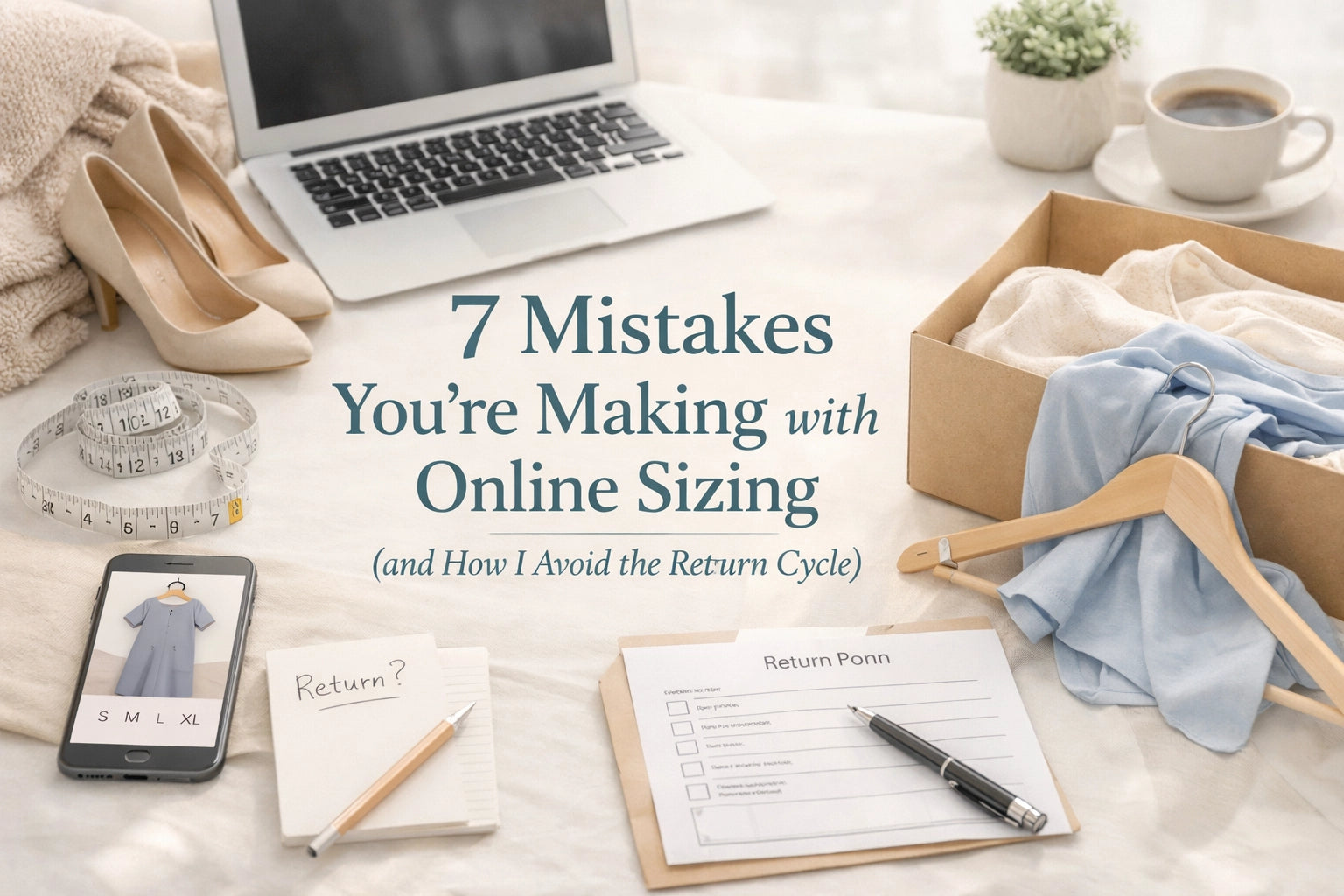
7 Mistakes You’re Making with Online Sizing (and How I Avoid the Return Cycle)
A few years ago, I spent a lot of time staring at my ceiling. A knee injury had sidelined me, turning my usually disciplined routine into a forced experiment in patience. When you’re stuck on a sofa, the world comes to you in cardboard boxes.
I found myself ordering things, mostly fitness gear I hoped to use once I could walk again, and comfortable basics that didn't irritate a surgical site. But as the boxes piled up, so did a new kind of frustration: the "Return Cycle." Half the things I ordered didn't fit, and the other half looked nothing like the photos.
I hate chaos. And there is nothing more chaotic than a hallway full of half-taped return packages waiting for a courier that may or may not show up.
That period of forced slowdown is actually where Christopher James LLC began. I realized that if I was going to sell anything, I wanted it to be vetted with the kind of precision I expected during my recovery. I wanted order over chaos. I wanted tools that actually fit.
If you’ve ever felt the sting of "Size M" fitting like a "Size XS," you aren't alone. Here are the seven mistakes I see most often in online sizing, and how I’ve structured this shop to help you avoid them.
1. Relying on "Your Usual Size"
The industry has a little secret called vanity sizing. A "Medium" in 2026 is not the same as a "Medium" in 2010. Even worse, a Medium in one brand might be a Large in another. If you shop by label alone, you’re gambling.
I’ve seen it firsthand while sourcing for Christopher James LLC. This is why I moved toward a curated Size 1-8 range for many of our core pieces. It’s a way to break away from the "Small/Medium/Large" ambiguity. When you see a numerical range backed by specific measurements, it forces a moment of precision. You aren't just "a Medium"; you are a person with specific dimensions.
2. Ignoring the Product-Specific Size Chart
We’ve all done it. We see a shirt, we like the shirt, we click "Buy." We assume the size chart for a hoodie is the same as the size chart for a compression top. It isn’t.
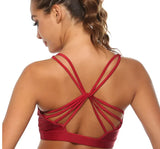
Different materials, like the high-stretch blends in our strappy red sports bras, require different sizing logic than a rigid denim jacket. I make it a point to vet these charts personally. If a chart says a Size 4 fits a 28-inch waist but the actual product arrives measuring 26, that product doesn't make the cut.
3. The "Eyeball" Method (Not Measuring Yourself)
Trusting your eyes is a mistake. Trusting a soft tape measure is a discipline.
During my injury recovery, I realized that my body was changing. If I hadn't taken the thirty seconds to actually measure my waist and chest, I would have spent months wearing clothes that were either too tight on my joints or too loose to provide support.
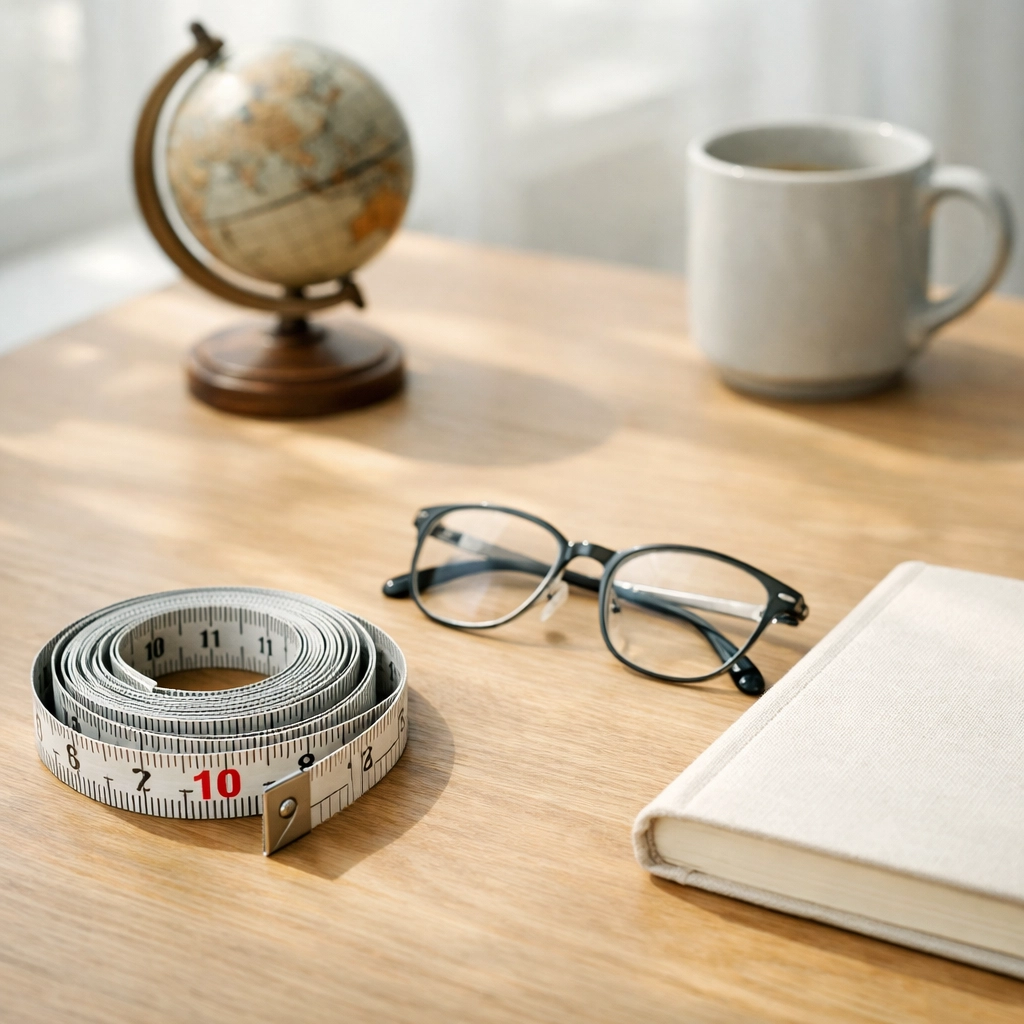
I recommend keeping a flexible tape measure in your desk drawer. Measure your bust, waist, and hips once every few months. If you know those three numbers, you can beat the algorithm 90% of the time. It’s about choosing precision over volume.
4. Overlooking Fabric and Stretch
A "Size 6" in a 100% cotton tee is a very different experience than a "Size 6" in a 20% Spandex blend.
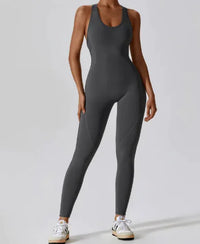
When we look at pieces like our Charcoal Gray Racerback Jumpsuit, the fabric is designed to move with you. It has "give." If you’re between sizes in a high-stretch item, you can usually size down for a compressive fit or size up for a relaxed vibe.
However, if the fabric is rigid, sizing up is the only logical choice. We try to be very clear about the "feel" of the fabric in our descriptions because "order" means knowing how the fabric will behave before you even put it on.
5. Ignoring Regional Differences
The internet is global, but sizing standards are stubbornly local. A UK 10 is not a US 10. A European 40 is not an American 40.
One of the reasons I started Christopher James LLC was to cut through this noise. I wanted a store where you didn't need a Rosetta Stone to figure out if a pair of leggings would fit. We standardize our information so that whether you’re looking at home fitness tools or apparel, the logic remains consistent.
6. Misinterpreting "The Cut" (Fit vs. Size)
This is a subtle but vital distinction. "Size" is the measurement of the garment. "Fit" is how it’s intended to sit on your body.
- Slim Fit: Designed to hug the body.
- Regular Fit: Follows the body's shape with some breathing room.
- Oversized: Intentionally larger than your standard dimensions.
I’ve had people complain that an oversized shirt was "too big." Well, that’s the intent. If you want a tailored look from an oversized piece, you have to size down. Understanding the designer's intent helps you maintain order in your wardrobe. It’s why I’m a fan of the minimalist, structured look: it’s easier to predict how a well-designed, simple piece will hang on the body.
7. Falling for "Color Deception"
Technically not a sizing mistake, but it's a "fit for purpose" mistake. You order a "Deep Red" and a "Neon Pink" arrives. It ruins the cohesion of your outfit.
When I was stuck on that couch, I became obsessed with color accuracy. I wanted my gear to look as disciplined as my workout plan. That’s why I personally vetted our three core variants: Black, Red, and Orange.
- Black: It’s the anchor. It’s the ultimate "order over chaos" color.
- Red: We chose a shade that is vibrant but grounded: not that washed-out pinkish red you see on cheap sites.
- Orange: It’s an "intentional" orange. It’s a tool for visibility and energy, not a neon distraction.
We actually wrote a whole piece on color psychology because we believe your gear should match your mindset. If the color is wrong, the "fit" feels wrong, even if the measurements are perfect.
The Christopher James Approach: Precision Over Volume
When I was rehabilitating my knee, I didn't need twenty different exercises. I needed three that worked perfectly. I’ve brought that same mindset to this company.
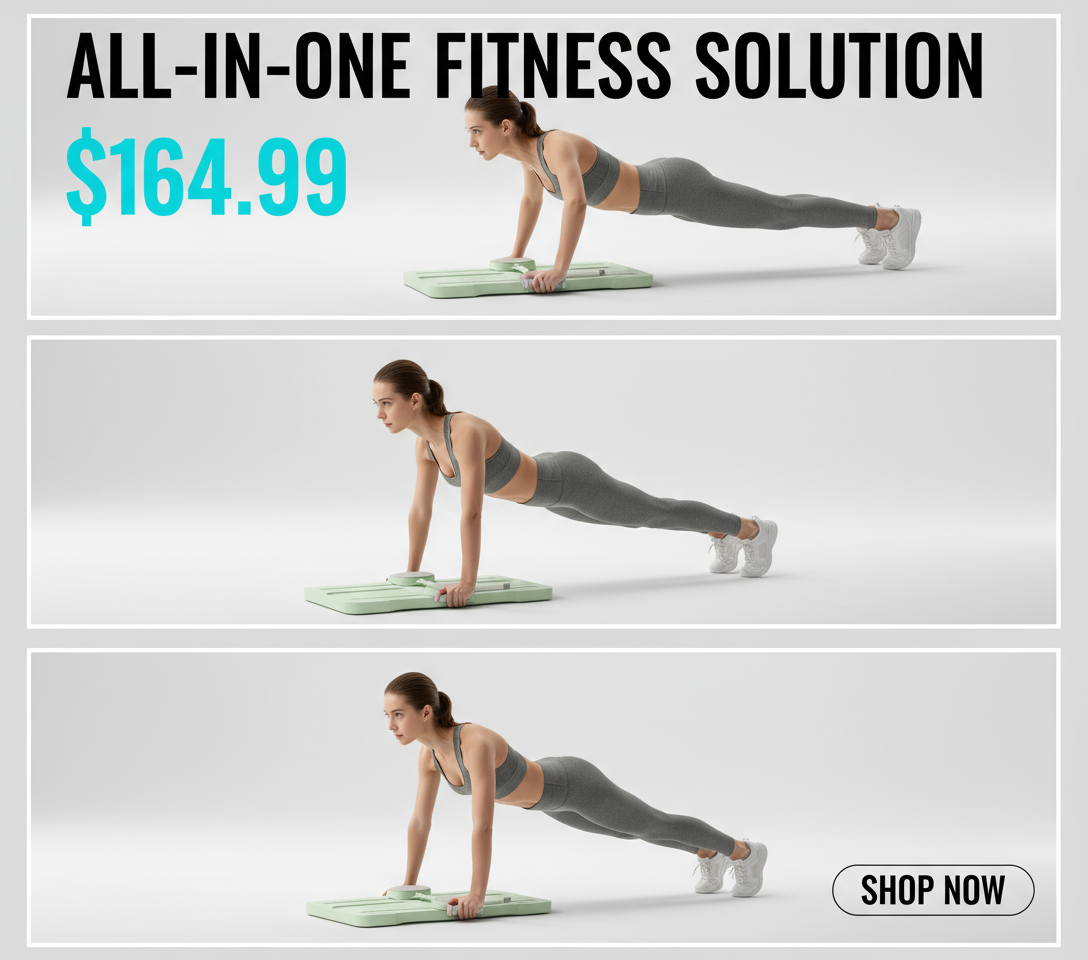
I’m not interested in having 10,000 items that sort of fit. I’d rather have a curated collection of pieces that I’ve personally checked. Whether it’s an All-in-One Fitness Solution or a simple racerback, the goal is the same: to provide you with a tool that earns its spot in your life.
Shopping online shouldn't be a source of stress. It shouldn't be a cycle of ordering, waiting, and returning. By paying attention to the details: the actual measurements, the fabric content, and the intended fit: you can reclaim your time.
My knee is better now, and I’m back to my routine. But I haven't forgotten the lesson of that forced slowdown: the details matter. Taking an extra minute to check a size chart isn't just about clothes; it’s about maintaining the order that allows you to focus on the things that actually matter: like your next workout, your business, or even just finding that one candle that makes you smile at the end of a long day.
Stay disciplined. Measure twice. Buy once.
( Christopher)

Written by Christopher Wilson