Stop Wasting Money on Fast Fashion: Try These 7 Budget Shopping Hacks
Fast fashion might seem like the easy way to stay trendy without breaking the bank, but those $5 tops and $15 jeans add up faster than you think. Plus, they fall apart after a few washes, meaning you're constantly replacing them.
The real secret to budget-friendly style isn't buying more cheap clothes: it's shopping smarter. These seven proven strategies will help you build a wardrobe you love without the constant expense and guilt that comes with fast fashion.
1. Start with Second-Hand Shopping
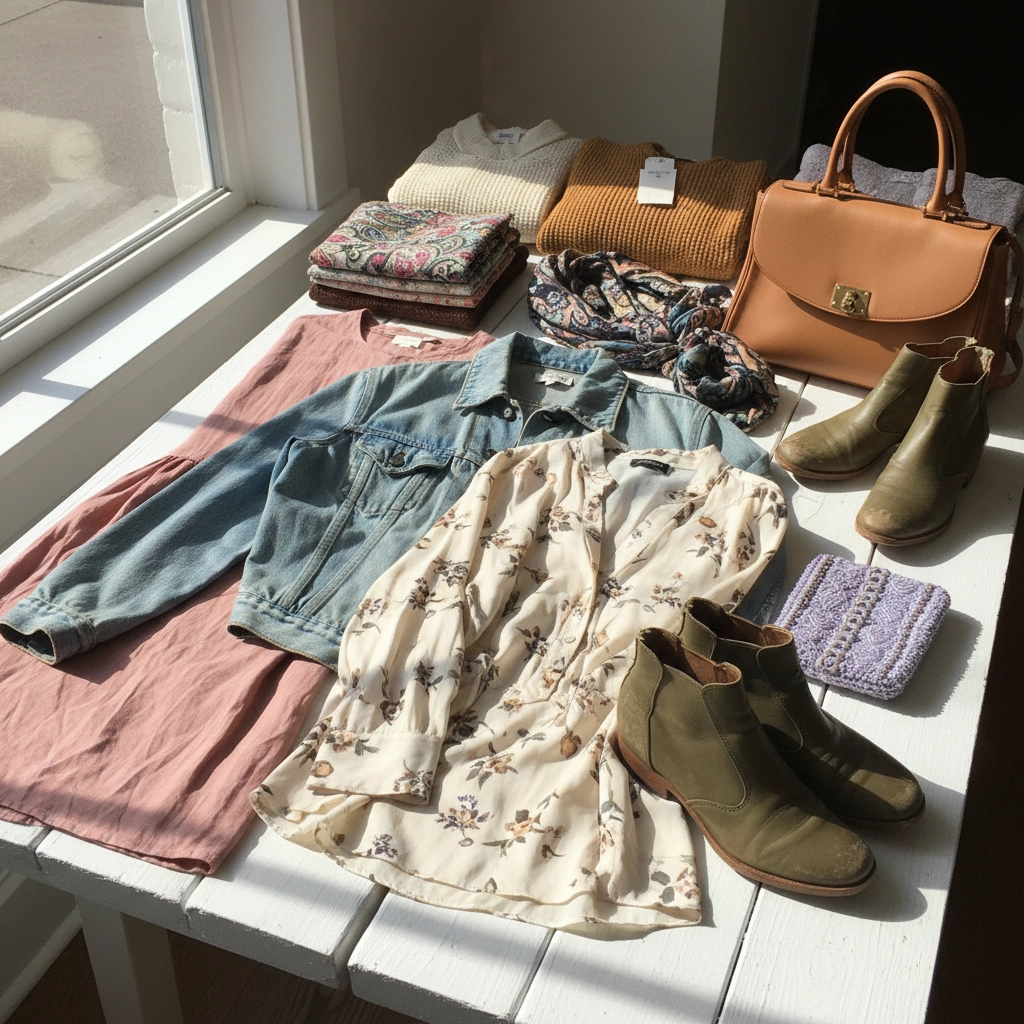
Second-hand shopping is hands down the most effective way to slash your clothing budget. You can find designer pieces, premium brands, and unique vintage items for a fraction of their original price.
Online Options:
- thredUP offers over 50,000 women's tops starting at just $2
- Vinted and Poshmark let you negotiate prices directly with sellers
- eBay has both auction-style and fixed-price options
- Facebook Marketplace connects you with local sellers
Physical Stores:
- Thrift stores and charity shops offer the thrill of treasure hunting
- Consignment shops typically have higher-end pieces in better condition
- Estate sales can yield designer finds at incredible prices
The key is patience and persistence. Set aside time to browse regularly, and you'll be amazed at what you can find for under $20.
2. Master the Art of Off-Season Shopping
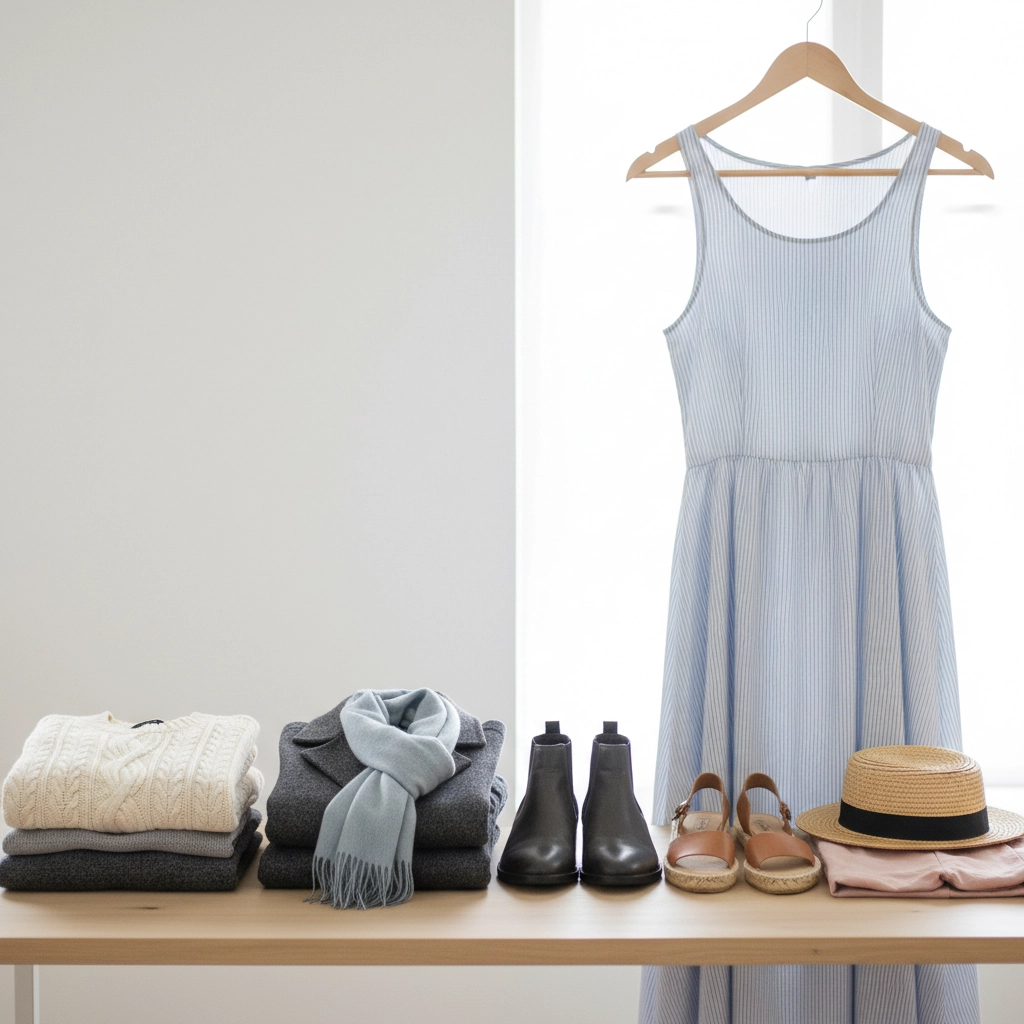
This strategy requires thinking ahead, but the savings are huge. When everyone else is buying swimsuits in summer, smart shoppers are snagging winter coats on clearance.
Best Times to Buy:
- Winter items (coats, sweaters, boots): March through May
- Summer clothes (shorts, sandals, swimwear): September through November
- Holiday dresses: January clearance sales
- Back-to-school items: Late August markdowns
End-of-season sales often feature discounts of 50-80% off regular prices. You're essentially getting next year's wardrobe for this year's clearance prices.
3. Organize Clothing Swap Parties
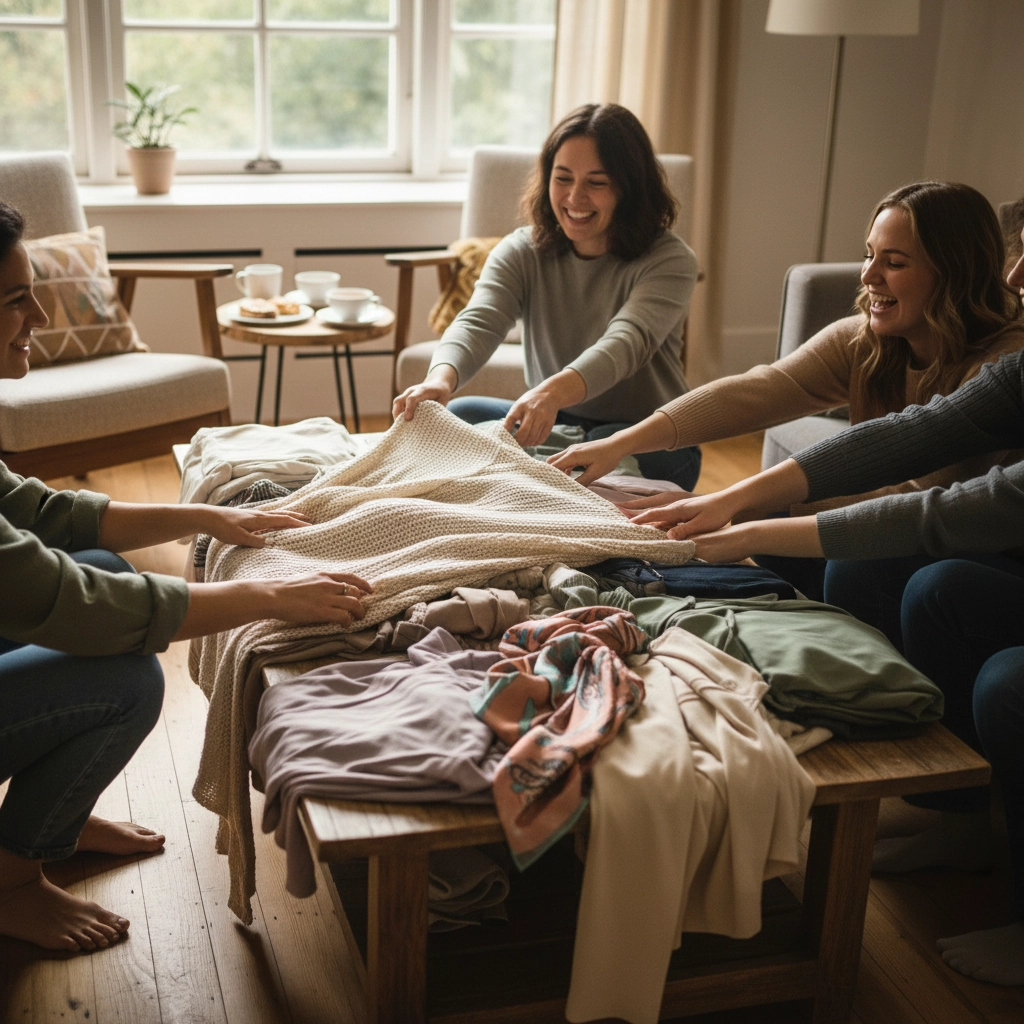
Clothing swaps are like shopping with friends: except everything is free. These events let you refresh your wardrobe without spending a dime while giving your unworn pieces a new home.
How to Host a Swap:
- Invite 6-10 friends with similar style preferences
- Set guidelines (clean clothes only, specific categories)
- Provide snacks and make it a social event
- Anything left over goes to charity
Finding Community Swaps:
- Check Facebook groups for local clothing exchanges
- Libraries and community centers often host seasonal swaps
- Some cities have regular "swap shops" or "really really free markets"
Parents especially love kid clothing swaps since children outgrow everything so quickly.
4. Try Renting Instead of Buying
For special occasions or trend pieces you'll only wear a few times, renting makes perfect financial sense. Why spend $200 on a dress for one wedding when you can rent it for $30?
What to Rent:
- Formal wear and cocktail dresses
- Designer handbags and accessories
- Maternity clothes (since you outgrow them so quickly)
- Trendy statement pieces you're not sure about
Popular Rental Services:
- Rent the Runway for designer pieces
- Local dress shops often offer rental options
- Peer-to-peer platforms let you rent from individuals
Renting also lets you try expensive brands before committing to a purchase.
5. Become a Deal-Hunting Expert
Smart shoppers never pay full price. With a little effort, you can find legitimate deals on both sustainable brands and classic pieces.
Strategies That Work:
- Follow your favorite brands on social media for flash sale notifications
- Sign up for newsletters to get exclusive discount codes
- Use apps like Honey to automatically apply coupon codes
- Check flash sale sites like Gilt and Rue La La
- Shop end-of-day online sales (many retailers drop prices after 6 PM)
Budget-Friendly Sustainable Brands to Watch:
- Everlane: Basic tees for around $20, often available in 3-packs
- Organic Basics: Quality basics starting at $12 during sales
- United by Blue: T-shirts and shorts for as low as $10
- Yes Friends: Fairtrade organic cotton tees from $15
Set price alerts on your wishlist items and wait for them to go on sale.
6. Learn Basic Mending and Upcycling
Before tossing that shirt with a small hole or those jeans that are slightly too long, consider whether they can be saved. Basic mending skills can extend your clothes' lifespan by years.
Easy Fixes Anyone Can Learn:
- Sewing on loose buttons
- Patching small holes
- Hemming pants and sleeves
- Removing stains with proper techniques
- Adding patches or embroidery to cover damage
Simple Upcycling Projects:
- Turn long sleeves into cute cap sleeves
- Transform old t-shirts into trendy crop tops
- Add lace or trim to plain pieces
- Dye faded clothes to refresh their color
YouTube has thousands of tutorials for every skill level. Start with basic repairs and work your way up to more creative projects.
7. Invest in Quality Pieces Strategically
This might seem counterintuitive in an article about budget shopping, but hear us out. Buying one $60 sweater that lasts five years is cheaper than buying five $15 sweaters that fall apart each year.
When to Spend More:
- Outerwear: A good coat is worn constantly and needs to withstand weather
- Jeans: Quality denim lasts for decades with proper care
- Shoes: Good shoes save your feet and your wallet
- Bras: Proper support requires quality construction
- Work clothes: Professional pieces need to maintain their shape
Building a Capsule Wardrobe:
Start with 20-30 pieces that all work together. Choose neutral colors and classic styles that won't look dated next year. When everything matches, you create more outfit options with fewer pieces.
Signs of Quality:
- Natural fiber content (cotton, wool, linen)
- Reinforced seams and strong stitching
- Quality zippers and hardware
- Fabric that doesn't pill or fade easily
Check out our best sellers for examples of quality pieces that offer great value.
Making the Switch: Your Action Plan
Ready to ditch fast fashion for good? Start with these steps:
- Audit your current wardrobe - What do you actually wear versus what's hanging unworn?
- Set a monthly clothing budget - Even if it's just $50, having limits helps you shop intentionally
- Unsubscribe from fast fashion emails - Remove the temptation of constant sales notifications
- Find your local thrift stores - Spend a Saturday exploring what's available in your area
- Start a wishlist - Instead of impulse buying, write down what you actually need
Remember, the goal isn't to never buy clothes again: it's to buy better clothes less often. Quality pieces from thoughtful shopping will serve you better than a closet full of fast fashion that falls apart.
The fashion industry wants you to believe you need constant newness to look good. The truth is, developing your personal style and buying pieces you truly love will always look better than chasing every trend. Your wallet and your closet will thank you.
Ready to start your budget-friendly style journey? Check out our trending deals for quality pieces that won't break the bank.

Written by Christopher Wilson